

Travel Safety Tips for Cross-Border Trips Between the US and Canada
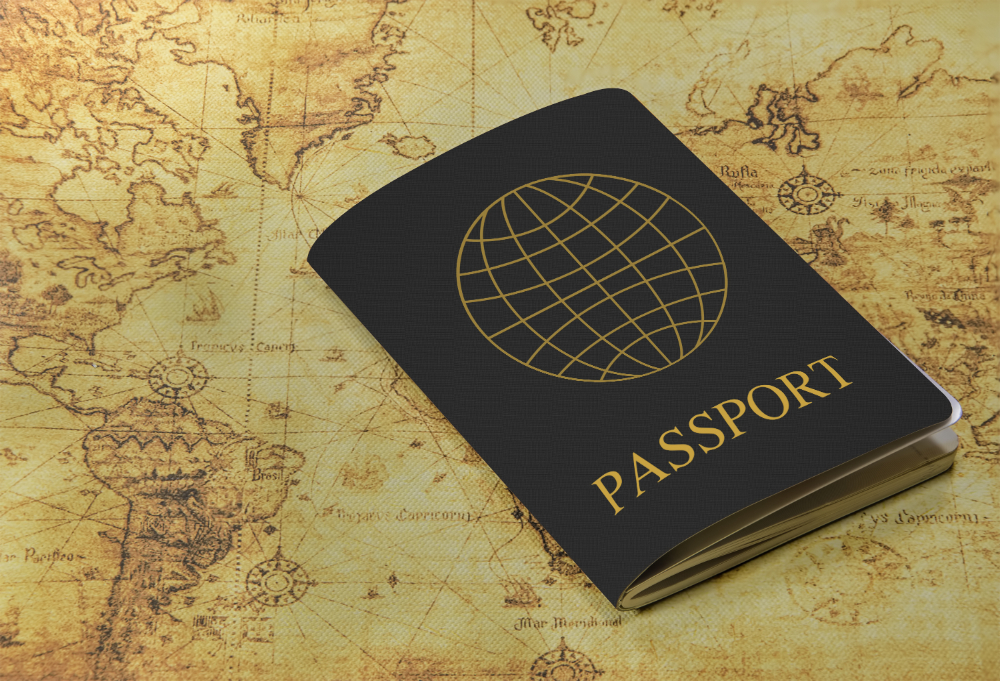
Cross-border travel between the United States and Canada offers exciting opportunities to explore two neighboring countries with shared cultural ties yet distinct experiences. Whether you are planning a weekend getaway to Vancouver, a road trip through the Canadian Rockies, or visiting family in Toronto, understanding travel safety tips is essential for a smooth journey. This cross-border travel guide covers everything you need to know about travel documentation, border crossing safety, and practical preparation to ensure your trip is both enjoyable and secure.
Travel Documentation Requirements
Before embarking on any US to Canada travel or Canada to US travel, ensuring you have proper documentation is the foundation of safe border crossing. American citizens need either a valid passport, passport card, or trusted traveler program card such as NEXUS or SENTRI to cross the border by land or sea. Canadian citizens require similar documentation including a valid passport or enhanced driver’s license for land crossings.
Minors traveling across the border require special attention. Children must carry their own travel documents, and if traveling with only one parent, a notarized letter from the other parent authorizing the trip may be required. These travel documentation requirements exist to prevent child trafficking and ensure family safety during cross-border travels. Keep copies of all documents in a separate location from the originals, either digitally or in a second physical copy.
For those planning longer stays or frequent crossings, consider applying for trusted traveler programs. These initiatives streamline the border crossing process while maintaining security. NEXUS, SENTRI, and FAST programs offer expedited processing and reduce wait times significantly. The investment in these programs pays dividends if you travel frequently between countries.
Preparing Your Vehicle and Essential Supplies
If you are driving across the border, prepare your vehicle thoroughly before departure. Ensure your car has valid registration, insurance that covers both countries, and proper maintenance. Many travelers overlook the importance of travel insurance for North America, which should include coverage for vehicle breakdowns and medical emergencies in both countries.
Pack an emergency kit containing first aid supplies, water, non-perishable snacks, blankets, jumper cables, and a flashlight. Include medications in their original containers with prescriptions or documentation. Prescription medications can be sensitive when crossing borders, so maintaining proper labeling and documentation prevents complications at customs. Weather conditions vary dramatically depending on season and region, so check forecasts and pack accordingly.
Inform someone at home of your travel plans, including your intended route, expected arrival time, and planned accommodation addresses. This travel checklist for US and Canada should include sharing your itinerary with a trusted contact who can alert authorities if needed. Modern smartphones provide excellent tools for sharing location information with family members during your journey.
Border Crossing Safety and Procedures
Understanding border crossing safety procedures reduces anxiety and prevents delays. Arrive at border crossings with plenty of time before peak hours, typically early morning or late evening. Carry all required documents within easy reach, not buried in luggage. Be prepared to answer questions about your purpose of travel, duration of stay, and items you are bringing.
Declare all required items including currency exceeding ten thousand dollars, food items, plants, animals, and electronics. Failure to declare restricted items can result in confiscation, fines, or even criminal charges. Customs officials are not trying to inconvenience travelers; they are protecting both nations from security threats and disease.
Never joke about weapons, explosives, or illegal substances with border officials. Such comments, even made lightheartedly, can result in serious consequences including vehicle searches, missed travel plans, and potential legal troubles. Keep conversations straightforward and respectful. If you have questions about what can be brought across the border, consult official government websites beforehand rather than hoping items will be approved during inspection.
During your crossing, maintain a clean driving record and ensure your vehicle registration and insurance are current. Some provinces and states have different traffic laws, so familiarize yourself with local regulations. Speed limits, seat belt requirements, and distracted driving laws vary, so adjust your driving accordingly.
Planning for Health and Emergency Situations
Securing appropriate travel insurance for North America protects you against unexpected medical expenses, lost luggage, and travel delays. Both the United States and Canada have excellent healthcare systems, but costs can be substantial for visitors without proper coverage. Some health insurance plans cover international travel, so review your existing policies before purchasing additional coverage.
Research hospitals and urgent care facilities near your destination. Having addresses and phone numbers saved in your phone provides quick access if medical attention is needed. If you have existing health conditions, carry a letter from your physician describing your condition and current medications. This documentation is particularly important for medications that might be questioned at borders.
Register with your embassy or consulate if traveling to remote areas. This registration allows authorities to contact you in case of emergencies affecting travelers from your country. Establish emergency contact protocols with family, including how you will communicate if your phone battery dies or service is unavailable.
Understand the healthcare system differences between the two countries. Americans traveling to Canada should know that provincial healthcare covers emergency services but may not cover prescription medications or dental work. Canadians visiting the United States should be aware that medical costs are typically higher and require proper insurance to avoid devastating bills.
Family Travel Safety and Special Considerations
Family travel safety requires additional planning beyond individual travel preparations. Establish meeting points if your group becomes separated, especially in busy border areas or airports. Ensure children know relevant information including phone numbers, addresses of accommodations, and emergency procedures.
For family travel safety, consider the age and maturity level of children when planning your itinerary. Young children may find long car rides or extended border waits stressful, so plan accordingly with breaks and entertainment. Older children can be assigned responsibilities like holding their own documents or noting landmarks along your route.
Traveling with elderly family members requires extra consideration. Ensure medication supplies are adequate for the entire trip plus emergency reserves. Research accessibility accommodations at accommodations and attractions. Consider travel insurance specifically for older travelers, as it often includes coverage for pre-existing conditions and emergency medical evacuation.
Document important health information for family members, including blood types, allergies, and emergency medical contacts. Create a digital copy stored in cloud services accessible from any device. This information proves invaluable if emergency medical care is needed.
Tips for a Smooth Cross-Border Experience
Start your cross-border travel early in the day when borders are typically less congested. Weekend travel often means longer waits, so consider midweek crossings when possible. Use real-time traffic apps to identify the best crossing locations and times.
Budget extra time for border processing. Even with proper documents, expect at least thirty minutes for the crossing process, longer during peak seasons. This travel checklist for US and Canada should include buffer time in your plans to reduce stress and avoid driving too quickly to make up time.
Stay informed about weather conditions, road construction, and any restrictions affecting border crossings. Government websites for US Customs and Border Protection and the Canada Border Services Agency provide current information. Unexpected closures due to weather or security events can significantly impact travel plans.
Maintain patience and courtesy with border officials. They are performing important security work and appreciate travelers who cooperate fully. Following instructions promptly and respectfully expedites the process and creates a safer border environment for everyone.
Keep copies of important documents separate from originals throughout your journey. Store digital copies on cloud services and email them to yourself. This redundancy ensures you can access information even if physical documents are lost or stolen.
Conclusion
Traveling safely across the US and Canada border requires preparation, documentation, and awareness of regulations. By understanding travel documentation requirements, securing appropriate insurance, planning for emergencies, and respecting border procedures, you can enjoy your cross-border adventure with confidence. Whether you are embarking on family travel or solo exploration, the effort invested in proper preparation ensures safer, more enjoyable journeys between these neighboring nations.